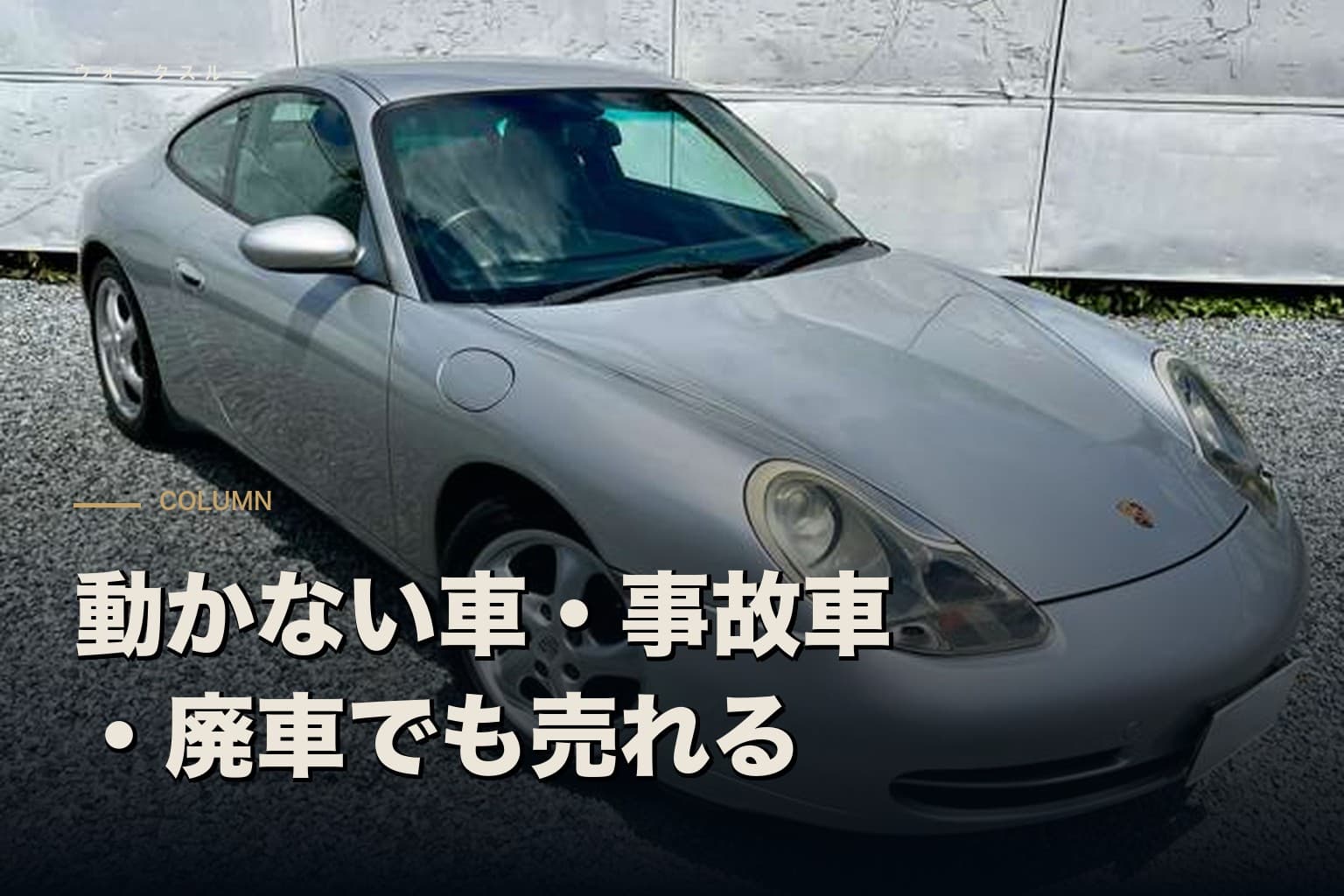
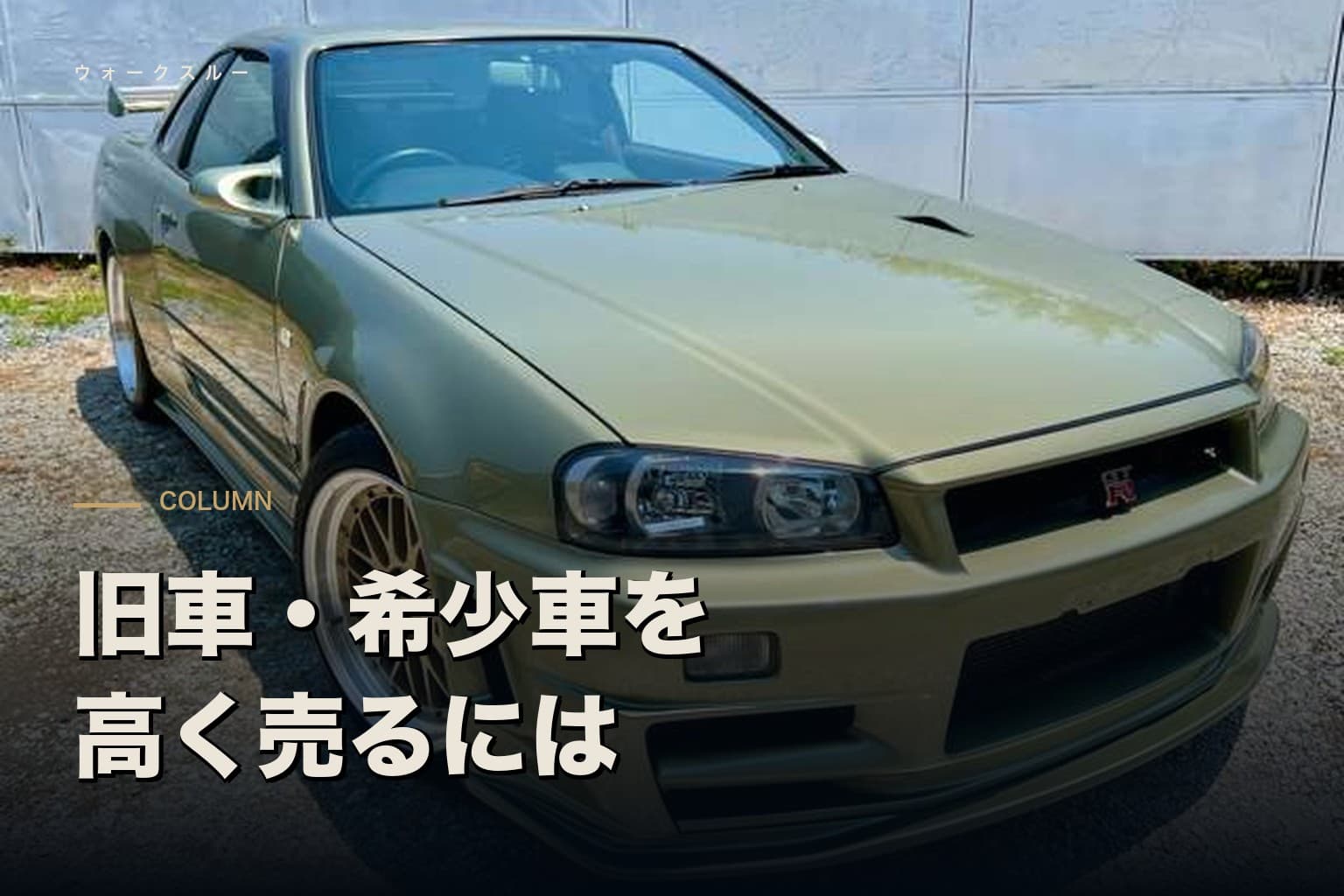
How We Value Rare & Classic Japanese Cars — 5 Things Appraisers Look At
Year and mileage alone never tell the story of a rare or classic Japanese car. Here are the five points professional appraisers actually check — originality, records, condition, mechanicals and demand — and what they mean if you are buying from overseas.
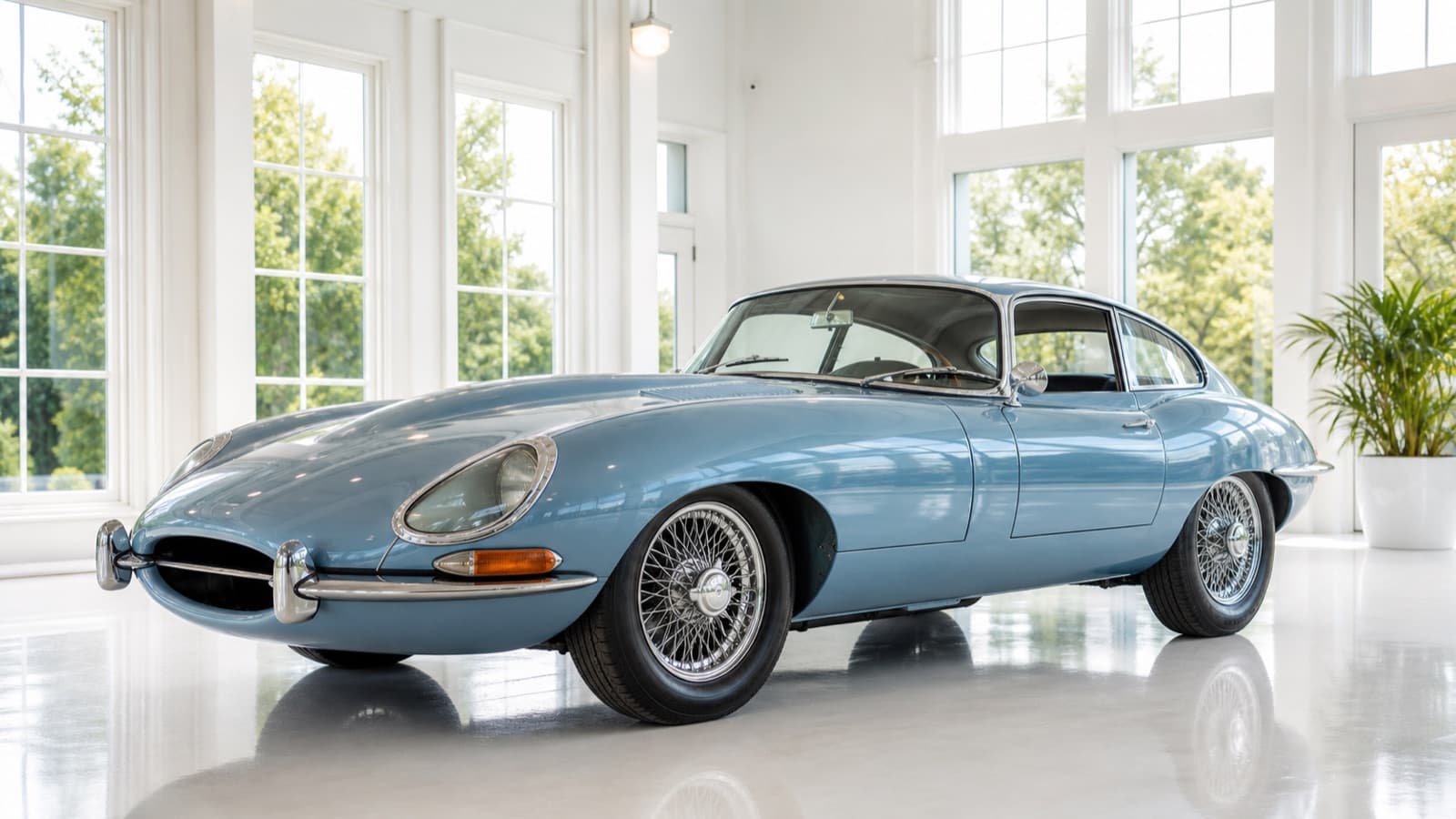
The value of a rare or classic Japanese car is never decided by model year and mileage alone. These cars trade in small numbers, so ordinary price guides simply do not apply. Here is how we — a specialist dealer in Saitama, Japan — actually assess a car, and what each point means if you are thinking of buying one from overseas.
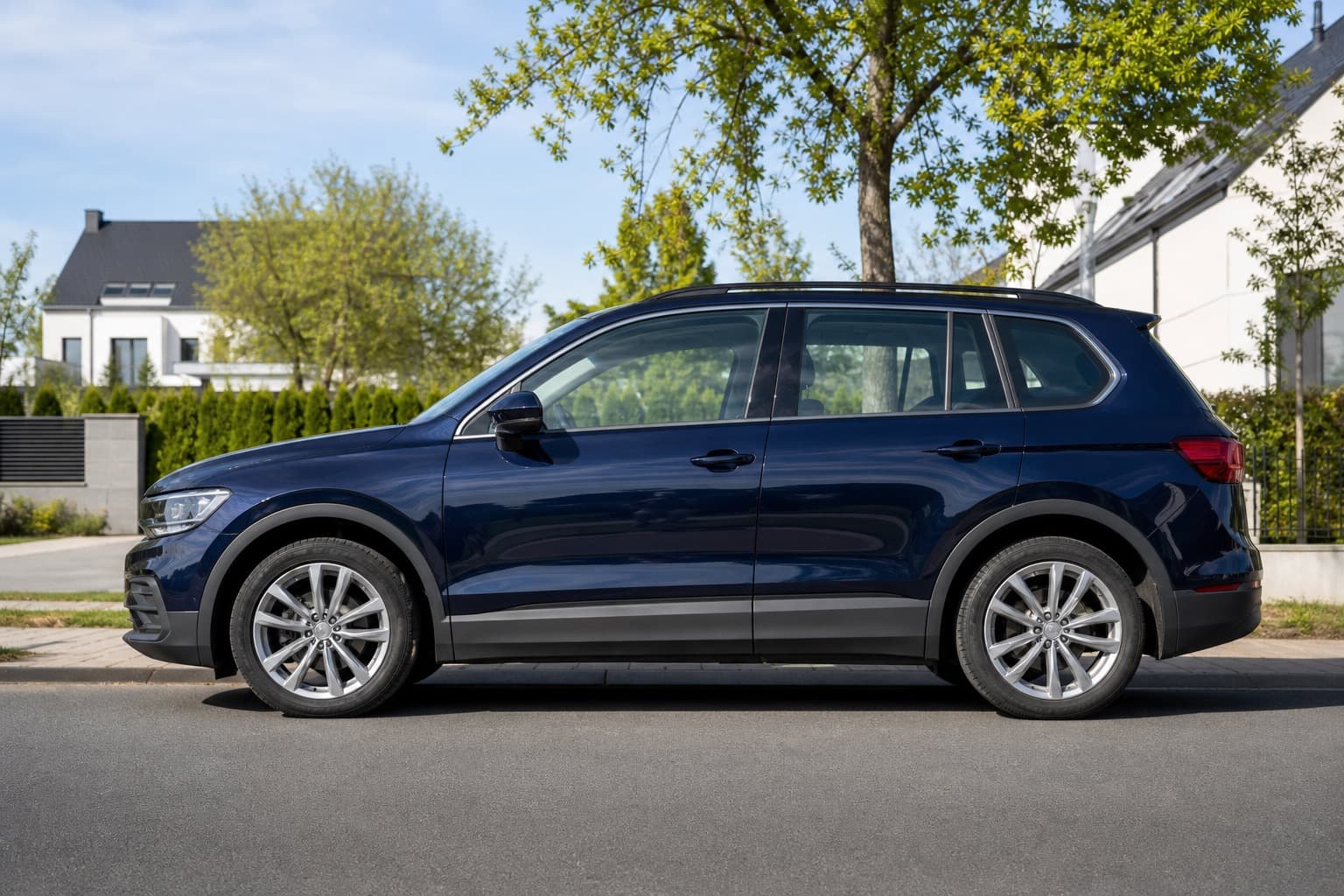
Value is market × condition × demand
A regular used car has a predictable market price. A rare or classic one does not: its value moves with how many enthusiasts want that exact model right now, and how good the individual car is. The same model can sell for very different prices depending on originality, history and timing. That is why a specialist who reads this market can price a car properly — and why two shops can quote wildly different numbers for the same car.
The 5 points appraisers check
- Originality:How much of the car is still factory-original. Heavy modification usually lowers value; original cars command a premium.
- Service records:A continuous paper trail of inspections and maintenance backs up the car's condition. In Japan, well-kept cars often come with years of dealer records.
- Exterior & interior:Honest, age-appropriate condition versus resprays and repairs. We check panels, paint depth and trim.
- Mechanical condition:Engine, transmission and suspension health — the parts that decide whether the car actually drives as it should.
- Rarity & demand:Production numbers, special grades and colours, and current popularity at home and abroad.
Why originality matters so much
In the classic-car world, an untouched original car is worth more than a modified one, because factory parts and finishes can never be recreated. When we buy cars in Japan we always ask for the removed original parts — and when we sell, we tell you exactly what is original and what is not.
Documentation backs up value
"Good condition" means little without proof. Service books, dealer inspection records and ownership history are what let an appraiser — and you, the buyer — trust a car. Every car we list comes with its known history, and we are happy to share photos, videos and records in English before you commit.
Overseas demand and the 25-year rule
Demand for Japanese classics is global. In the United States, the 25-year rule allows cars 25 years or older to be imported and registered even with right-hand drive — which is why values of 1990s Japanese sports cars climb sharply as they reach that age. If you are watching a model approach its 25th birthday, it rarely gets cheaper by waiting.

Buying from overseas — how we help
We are a licensed dealer in Yoshikawa, Saitama, specialising in rare, classic and imported cars. For overseas buyers we provide honest condition reports in English, arrange export paperwork and book shipping to your nearest port. See our export guide for the full process, or browse the current stock.
FAQ
- Does high mileage always lower the value?:Not for rare cars. Condition and demand matter far more than the odometer — a well-kept high-mileage car can outprice a neglected low-mileage one.
- Are modified cars worth less?:Generally an original car is worth more, but desirable period-correct modifications with the original parts retained can hold value well.
- Can you ship a car overseas?:Yes. We arrange export preparation and RoRo or container shipping worldwide, with English support from first enquiry to arrival. See how exporting works.
Talk to WALKTHROUGH
Ask us about any car in stock — or tell us what you are hunting for. We answer in English on WhatsApp, usually within the day. Details on shipping, payment and timelines are in the export guide.
Talk to us about your car
Free appraisal · English support via WhatsApp · same-day where possible